EnergyStar is an important part of regulating energy usage by appliances. This program was started by the Environmental Protection Agency in 1992, and aimed to label devices and appliances that used energy most efficiently. The program began covering computer monitors and expanded to include more than 35 different products, including building materials.
In the future, new technology will lead to more environmentally conscious appliances.
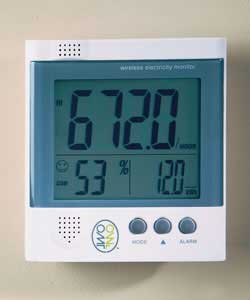
For example, electricity monitors like this have given consumers the opportunity to measure how much power their appliances use daily and adjust their habits accordingly. The future of appliances themselves is always undergoing changes, and by incorporating new inventions and technology, we can make appliances much more useful and efficient.

No comments:
Post a Comment